
Hot-swap technology transformed the world of mechanical keyboards in 2024-2025, allowing you to change your switches without soldering thanks to specialized connectors . This technology now represents the fastest-growing segment of the market, with over 60% of new mechanical keyboards incorporating this feature.
The global market is expected to grow from $2.05 billion in 2024 to $5.68 billion in 2033 , driven by more affordable prices and the rise of competitive gaming. The major innovation of 2025? Hall effect switches with Rapid Trigger technology , which revolutionize gaming performance with variable actuation points from 0.1mm to 4.0mm.
How does hot- swap technically work?
The hot-swap system uses specialized sockets soldered onto the PCB that create an electrical connection by friction with the switch pins. These small metal connectors use spring-loaded contacts that maintain constant pressure on the switch pins, eliminating the need for traditional soldering.
The three main types of sockets dominate the market : Kailh (100 cycle lifespan, 200mΩ contact resistance), Gateron (50,000 theoretical cycles with improved design), and Mill-Max (1,000 cycles, premium construction). Each type has distinct specifications— Kailh sockets cost €0.10–€0.15 per socket and are ideal for tight budgets, while the Mill-Max 3305 sockets at €0.50 per socket offer the best durability for heavy users.

Switch compatibility varies depending on the socket type. Cherry MX and Gateron switches are universally compatible , but be aware that Kailh switches with their wider pins (up to 0.8mm) can cause problems with Mill-Max sockets with strict tolerances.
Advantages and trade-offs of hot-swap vs. welded
The main advantage remains complete flexibility : you can test different switches without buying multiple keyboards, replace a faulty switch individually, and personalize your typing experience over time. Economically, the initial cost is 15-30% higher, but the investment pays for itself after just 1-2 switch replacements compared to buying a new keyboard.
However, there are compromises. Sound quality differs slightly —hot-swap connections produce a less dense sound with more high-frequency reverberation compared to rigid solder joints. Durability is also a concern: inexpensive sockets can withstand approximately 3-6 complete swaps before failure, while premium versions easily reach 1000+ cycles.
Installation and maintenance practices
Installation requires a precise but accessible technique . First, ensure your switches match the socket type (north or south), then carefully insert them while supporting the PCB from behind. Never force them —if you encounter resistance, check the pin alignment with tweezers.
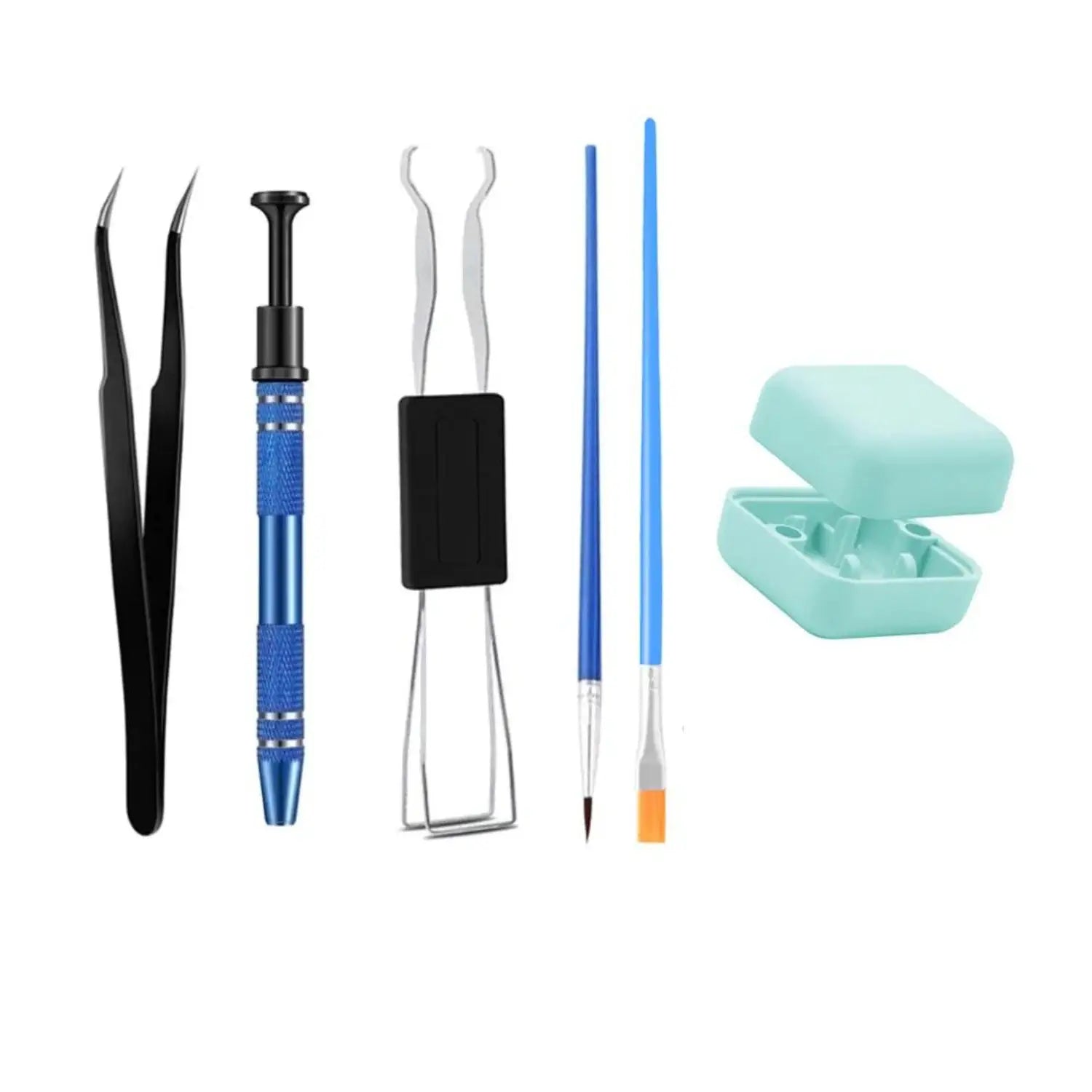
Essential tools include:
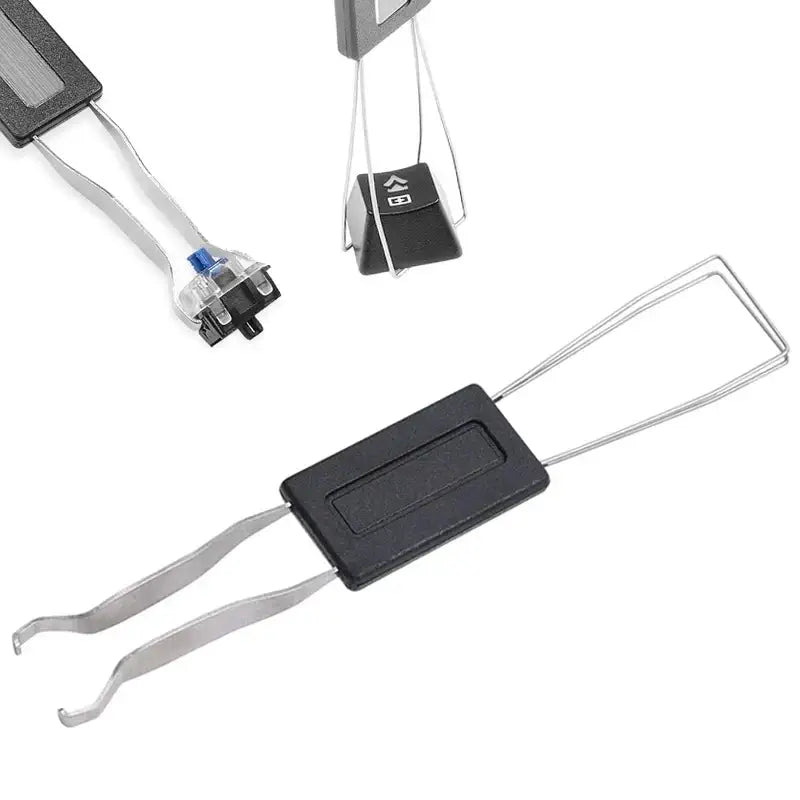
- A dedicated pull switch (IC puller recommended)
- A keycap puller (metal or plastic)
- Tweezers for straightening bent pine trees
For maintenance, clean with compressed air every 3-6 months and avoid unnecessary swaps that prematurely wear out the sockets. The golden rule: always order 5+ extra switches, as some pins can become irreparably bent.

Essential Hot-Swap Keyboards in 2025
The market has become considerably more accessible. The Keychron V4 Max (€129) dominates the mid-range segment with its tri-mode connectivity and gasket mount , while the GMMK 3 (€200-300) sets the modular benchmark with its revolutionary Boardsmith configurator.
For beginners, the Keychron C3 Pro at €35 is the ideal entry-level option with a gasket mount included. Gamers will likely prefer the Corsair K65 Plus Wireless (€159) in a 75% form factor or the Asus ROG Azoth (€249) with its integrated OLED screen.
The 2025 innovation focuses on Hall effect switches : the Razer Huntsman V3 Pro uses Gen-2 analog optical switches, while the SteelSeries Apex Pro TKL Gen 3 offers a partial hot-swap with Hall effect .
Conclusion
Hot-swap technology revolutionized the accessibility of custom mechanical keyboards. If you're a beginner or want to experiment , this technology offers unparalleled flexibility despite minor compromises in sound and durability. For experienced users with established preferences , traditional soldering retains its advantages in terms of stability and cost.
The future looks promising with the gradual standardization of hot-swap technology and the emergence of magnetic switches. and the democratization of prices. In 2025, choosing a Hot-Swap keyboard means investing in the modularity and scalability of your mechanical setup.