-
 LOGITECH
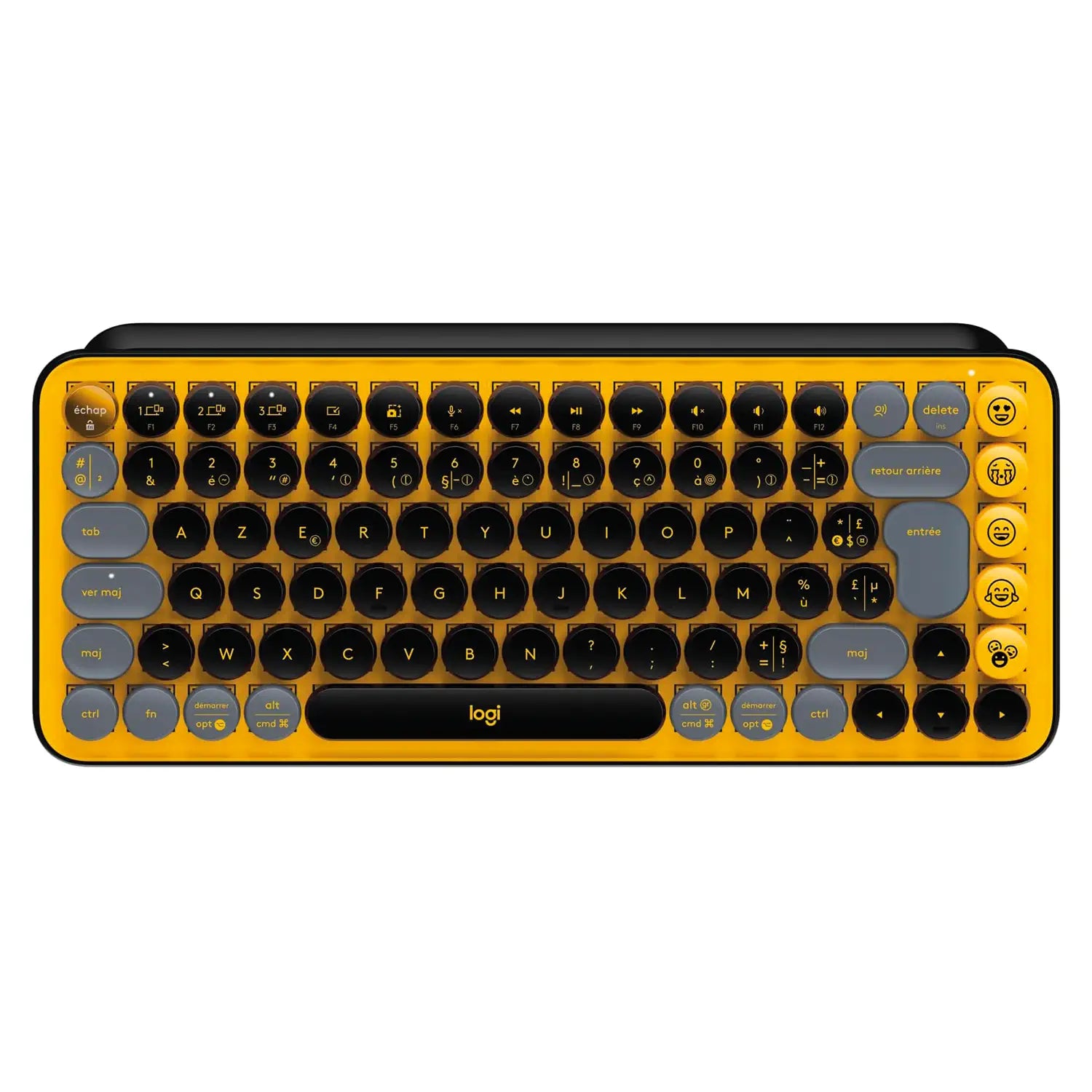
Logitech POP Keys are colorful wireless keyboards designed to brighten up your workspace. With their compact design and wireless connectivity,...
€112,99€112,99€112,99
Are you trying to understand why Logitech is such a divisive name among mechanical keyboard enthusiasts? With an 18% market share and innovations like Romer-G switches and LIGHTSPEED technology, the Swiss brand has established itself as a key player in the gaming world. However, its position remains complex within the enthusiast community, fluctuating between technical acclaim and criticism of its proprietary design choices. From the revolutionary LCD of the G15 in 2005 to the recent magnetic switches of the Pro X TKL Rapid, Logitech has consistently attempted to redefine standards, with varying degrees of success depending on the generation.
From LCD innovation to proprietary switches, a radical transformation
The modern history of Logitech keyboards truly began in 2005 with the legendary G15 , a keyboard that defined a generation of gamers with its monochrome LCD screen and 18 programmable G keys. This "more is more" approach defined the Logitech philosophy: differentiation through hardware innovation and an open ecosystem with a free SDK.
The turning point came in 2014 with the introduction of Romer-G switches , developed in partnership with Omron. Faced with Corsair's exclusive rights to Cherry MX RGB, Logitech opted for technological independence. These revolutionary switches offer an ultra-fast 1.5mm actuation point (25% faster than Cherry MX), a lifespan of 70 million keystrokes , and, above all, perfect RGB lighting thanks to their unique design with a stem surrounding the spring.
Current technical ranges and strategic positioning
Today, Logitech structures its offering around three distinct ranges that meet specific needs. The G series (gaming) focuses on pure performance with models like the G915 X , the flagship for 2024, equipped with the new ultra-low profile GL switches and KEYCONTROL technology allowing up to 15 key assignments. Its 5052 aerospace-grade aluminum construction and 800+ hours of battery life with RGB lighting make it a technical benchmark.
The PRO series targets competitive esports with the recent Pro X TKL Rapid , Logitech's first keyboard with Hall Effect magnetic switches . Developed with feedback from hundreds of professional gamers, it offers adjustable actuation and the "rapid trigger" function for instant responsiveness - a technological catch-up against Wooting and SteelSeries, which previously dominated this segment.
Finally, the MX series (office) with Kailh Choc V2 switches offers an elegant compromise between performance and productivity, especially on the MX Mechanical with its 10 months of battery life without backlighting and its construction incorporating 45% recycled plastic.
The game-changing LIGHTSPEED innovation
One of Logitech's undeniable successes remains its LIGHTSPEED technology , a proprietary wireless protocol offering 1ms latency equivalent to wired connections. Used in major esports tournaments, this technical innovation has allowed Logitech to maintain its credibility with professionals, even in the face of criticism regarding its proprietary switches.
Competitive position and current challenges in relation to enthusiasts
Despite its historical leadership, Logitech faces increasing challenges. The Romer-G switches , while technically advanced, suffered from a "mushy" perception within the community, their limited compatibility with aftermarket keycaps frustrating modders. The emergence of brands like Keychron, Wooting, and NuPhy now offers more features at a similar price, notably widespread hot-swap functionality and standard switches.
Logitech's current strategy seems to be aimed at a repositioning: gradual abandonment of Romer-G in favor of more standard Kailh partnerships (GX and GL switches), late but successful integration of magnetic switches, and improvement of materials with double-shot PBT keycaps on the new generations.
Practical advice for choosing your Logitech in 2025
If you're new to mechanical keyboards, the G515 TKL is an excellent compromise at around €140, offering decent GL switches and the mature Logitech ecosystem. For competitive gaming, the G Pro X TKL Rapid with its magnetic switches is worth the investment if you play competitive FPS games.
Enthusiasts, however, will likely prefer to explore the alternatives: Keychron for versatility, Wooting for pure innovation, or Corsair for better value. Logitech remains a recommendable choice nonetheless, thanks to its build quality , mature software , and renowned after-sales service - significant advantages compared to newer brands.
Logitech's evolution mirrors that of the market: from an innovative, proprietary approach towards necessary standardization. The brand retains its technical credibility but must demonstrate its ability to adapt to increasingly demanding competition.
Building your own custom keyboard
-
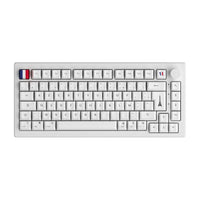
105 items
-
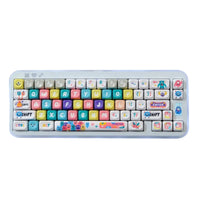
113 items
-
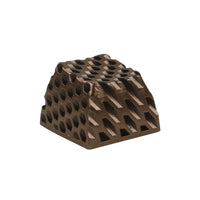
70 items
-
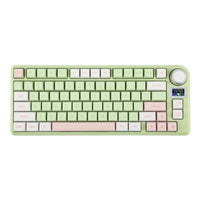
190 items
-
14 items
-
9 items
-
7 items
-
32 items
-
16 items
-
40 items